Pest Control – An Ounce of Prevention is Worth a Pound of Cure

Pests are unwanted organisms (insects, bacteria, fungi, viruses, weeds and vertebrate animals) that damage or devalue crops, structures, food storage, livestock, wildlife and landscapes. Unwanted pests also introduce diseases that threaten human health and safety.

Pest Control

Pest control is a combination of preventive, suppression and eradication methods. Preventive measures include sanitation, removing overwintering sites, and encouraging natural enemies to attack pest populations. Visit https://www.benspest.biz/ to learn more.

The old saying “An ounce of prevention is worth a pound of cure” holds true when it comes to pest control. While many people think that pest control involves battling pests after they’ve invaded a home, the truth is that it’s much easier and cheaper to prevent pests from entering in the first place. This is why the modern approach to pest control places a strong emphasis on prevention measures.

Preventive measures include keeping the home clean and free of clutter, sealing cracks in the home’s exterior and other structures, storing food in the refrigerator, fixing standing water issues, and regularly sweeping and vacuuming floors. In addition, homeowners should frequently inspect their property for signs of infestation, such as bite marks and chewed-up belongings. Certain odors can also be a sign of a pest problem, such as musty or ammonia-like smells.

In the yard, it’s important to keep grass and shrubbery trimmed so that it doesn’t provide a place for pests to hide. It’s also a good idea to remove any piles of leaves or other debris from the yard as they can attract pests. Standing water can also be a source of pests, so it’s important to regularly check and fix any leaks in the home’s roof or plumbing.

Practicing integrated pest management (IPM) techniques is another preventive measure that can reduce the need for chemical treatments and help maintain a healthy home environment. IPM includes a combination of physical, biological, and chemical controls to manage pests while minimizing exposure to hazardous chemicals and reducing environmental impacts.

In addition to the tips discussed above, partnering with a professional pest management company can take prevention to a whole new level. Pest professionals have the knowledge, experience, and resources to devise a prevention plan tailored to the unique needs of each client. This can include anything from educating children about pests to identifying specific problem areas where a pest infestation could occur. By combining preventive and chemical controls, professionals can minimize pests while providing clients with a safe, comfortable, and beautiful living environment.

Chemical Treatments

Chemical pest control uses synthetic pesticides to eliminate pests quickly and efficiently. They are effective against a wide range of insects and rodents, including ants, roaches, termites, flies, and mosquitoes. They are most useful during severe pest outbreaks, when rapid action can prevent significant crop damage before natural predators or biological controls can respond. They are also more potent than biological treatments, and can wipe out entire pest populations with a single application. However, chemical treatments may have negative environmental impacts, contaminating soil and water, and potentially posing health risks to humans and pets.

Selecting the right chemical treatment depends on accurate pest identification and monitoring. Accurate identification ensures that the product effectively targets the problem species, reducing the risk of harming other organisms and ecosystems. In addition, using selective products limits exposure to non-target organisms and minimizes the risk of resistance development. Proper application and careful record-keeping also reduce the potential for long-term risks and contamination.

Integrated Pest Management (IPM) is an approach to pest control that emphasizes prevention and other low-risk strategies, with chemical solutions reserved for when they are needed most. IPM incorporates monitoring to assess pest numbers and compare them to action thresholds, helping farmers to determine when it is time for a more drastic measure. In addition, IPM strategies use precise methods to limit the amount of chemical used, minimizing ecological impacts and long-term risks.

IPM techniques include preventative measures such as keeping garbage cans closed and away from buildings, and trimming bushes and other foliage to reduce pest habitat. They also employ biological and physical control methods, such as introducing natural enemies or trapping pests, to keep populations below damaging levels.

Chemical pest control offers fast and reliable results during critical pest outbreaks, but it can be expensive and ineffective over the long term. Regulatory hurdles can also add to the cost, and many chemicals require specialized training and certification for safe use. In addition, repeated use of chemical treatments can lead to pesticide resistance, which can render them ineffective over time. Biological and physical pest control methods offer more sustainable alternatives, though they can take longer to work.

Inspections

Pests can pose significant health and safety risks to occupants of buildings and their surroundings. They may taint food, transmit diseases via urine and feces, and cause structural damage to homes and businesses. Many pest infestations result in high costs for eradication and repair. Regular inspections help detect pest problems early and reduce the cost of treatment or eradication.

A pest inspection involves more than a cursory glance around the home to look for signs of infestations. Trained inspectors examine the interior and exterior of structures, focusing on secluded areas that can harbor pests. These include attics, crawl spaces, basements, and wall cavities. Inspectors also evaluate the property for conditions that attract pests, such as leaking roofs and poorly-sealed windows.

Having a pest-free home contributes to a healthier living environment, especially for those with young children and elderly family members who are more susceptible to respiratory issues. Additionally, pest infestations can increase the risk of infection by introducing airborne allergens and bacteria into living spaces. Regular pest inspections help minimize these health issues and promote a healthy living environment for the entire household.

When deciding on a pest control company, it is important to choose one with key qualifications and certifications from recognized industry organizations. The chosen inspector should have extensive experience in the field and a reputation backed by positive customer reviews. In addition, the chosen inspector should be fully insured and licensed to perform pest inspections on commercial or residential properties.

Prior to conducting a pest inspection, a home or business owner should clear any piles of debris that could provide hiding places for pests. Keeping surfaces clear allows the inspector to focus on baseboards, walls, and other secluded areas of the structure. Additionally, a homeowner should clean food containers and ensure that trash is properly sealed.

Before the inspector arrives, a home or business owner should review the checklist that they will be using to inspect the property. This will provide the inspector with a comprehensive assessment of the property, making it easier for them to identify and address any pest infestations. The checklist will also provide a record of the inspection for future reference.

Prevention

Practicing preventive pest control measures, which include regularly scheduled inspections and consistent monitoring, is an important aspect of maintaining your home. This approach is often less expensive than reactive treatments. It also helps prevent the spread of diseases and enables you to feel confident that your property is being proactively maintained. A professional team has the expertise and resources to identify potential infestations early, so they can be treated before they develop into costly problems.

Prevention involves creating an environment that is not conducive to pests, which means removing food sources and other attractions. This can be done by cleaning up and properly storing food, managing waste, sealing entry points, and removing attracting clutter. It also involves repairing cracks, clearing gutters, and reducing moisture levels.

In crop growing, prevention is primarily achieved by choosing plants that are well-adapted to the local climate and planting them in locations where they can thrive. Plants that are resistant to disease and insect damage are also preferred. Cultural methods, such as correcting soil conditions, using irrigation systems that are adjusted to the site and crop, and applying appropriate amounts of fertilizer can help suppress pest populations without the use of chemicals.

When modern pesticides were first developed, they were used extensively. However, this quickly led to the development of pests that were resistant to certain chemicals. This resulted in the need to combine multiple control measures into a comprehensive program called integrated pest management (IPM). IPM focuses on controlling pests through a combination of mechanical, cultural, biological, and chemical tactics.

The first step in IPM is to monitor and scout the fields. This allows for the accurate identification of the pests and their host plants. It also allows for the determination of economic or aesthetic injury thresholds, which indicate the level of damage that warrants action. It is then possible to evaluate whether the pest population will be controlled naturally or by chemical intervention.

The goal of IPM is to achieve good crop production without harming the environment, other organisms, or people. This is accomplished by assessing the population of pests in an area, considering what type of damage they are doing to the plant, and then developing a strategy to reduce the pest population. The use of pesticides is usually only an option if the other control methods are not working or if the problem has reached an unacceptable level.

Visit our Professional Services Blogs

Chris Atkins Lawncare, Atticus Landscaping, Treasure Coast Pressure Wash, Gulf Beach Plumbing, Marlborough Plumbing, Guns And Hoses Pressure Washing, Ambrose Construction, Coral Gables Pressure Washing, Willco Photography, Roofing Akron, Danalogsdon Roofing El Cajon, EC Siding Roofing Windows, Aurora Gutter, American Insurance Source, ECO, etdn, Denison Service League,  Roofing Blog, Atlantic Vinyl Windows, Brookshires Fireplaces, JD Advanced Remodeling, Product Judgment, Master Dry Foundation Repair, Moe’s Hip, Elta Patio Paramount, Rock Around The Clock Festival, Learn, Play, Beyond, MoralesT Gardening, Car Window Tinting Perth, Duncan Carpentry, Gatestone Lighting, Mid Missouri Mold Inspections, Stucco Repair Albuquerque, Wausau Siding Hire, Munster Tree Care, Blue Granite Homes, Custom House, CENTRAL OS, Atlanta Pavers, Phillips Law Firm, Brent Ryder MasonryWalker Construction Drywall Division, RJ Law, Caledon Plumbing, DDS Tech USA, Maine Mortgage Services, Inckpen, Seasons at Rose Creek, Cottonwood Place Dental, Cosmetic Laser 2000 

The Silent Art of Comfort: Inside the World of Air Conditioning Installation

Cool air is not just a luxury but a necessity in modern living. The ability to control indoor temperature shapes how we work, rest, and thrive. Yet behind the push of a button and the hum of a unit lies a complex process that requires precision, planning, and skill. Air conditioning installation is more than placing a machine on a wall; it is the science of comfort engineered into the fabric of a space.

Air Conditioning

Installing an air conditioning system is a delicate balance between technology and environment. Each building has its unique thermal profile shaped by size, insulation, window placement, and occupancy. These variables determine how air will move, how heat will accumulate, and where cooling is most needed. Installers must assess these details meticulously to ensure optimal performance.

The first step is understanding the load requirement of a space. Too small a unit struggles to cool, wasting energy as it runs continuously. Too large a unit cycles off too quickly, leaving humidity unchecked and comfort uneven. Precision in sizing is the foundation of an efficient system, and achieving it involves calculations that blend physics with practical experience.

Beyond capacity, placement is a critical factor. An air conditioning unit’s position affects how air circulates and how efficiently the system operates. Installers consider airflow paths, obstacles, and room usage before selecting a location. Poor placement can lead to temperature imbalances, frequent maintenance, or premature wear, all of which compromise performance.

Installation is also about infrastructure readiness. The walls, electrical wiring, drainage, and ventilation must support the system without risk. A well-prepared site reduces future issues such as leaks, power surges, or mold growth. Professionals often inspect and reinforce these elements before the unit is installed to ensure long-term reliability.

Modern air conditioning systems are more than cooling machines; they are intelligent devices. Many come with sensors, automation, and energy-efficient features that require careful configuration. Installers must integrate these systems seamlessly into the building’s electrical and control networks. A minor misstep in setup can render advanced features useless or lead to inefficiencies that undermine the investment.

Refrigerant handling is another area where expertise is essential. These substances are the lifeblood of cooling systems, and their correct amount and pressure are crucial. Overcharging or undercharging can reduce performance, increase energy consumption, or damage components. Professionals follow strict procedures and environmental protocols to ensure refrigerants are managed safely and responsibly.

Noise control is often overlooked but vital to a well-installed system. Vibrations, fan speed, and compressor operation must be balanced to maintain quiet operation. Proper insulation, secure mounting, and strategic placement minimize disturbances. This attention to detail transforms a cooling unit from a noisy appliance into a seamless part of the environment.

Air conditioning installation also intersects with health and air quality. Filters, ducts, and ventilation paths influence how clean and fresh the air remains. Installers ensure that the system supports proper filtration and circulation to prevent allergens, dust, and pollutants from accumulating. In spaces where air purity is critical, such as offices or bedrooms, these details significantly impact well-being.

The rise of energy-efficient technologies has redefined installation standards. Systems now prioritize low energy consumption without sacrificing performance. Installers use techniques such as zoning, programmable thermostats, and variable-speed compressors to optimize output. This shift benefits not only the user but also the environment by reducing carbon footprints.

Smart technology integration adds another layer of complexity. Many systems now connect to apps and home automation platforms, allowing users to control climate remotely. Installers must ensure compatibility with existing networks and configure the system to respond accurately to digital commands. This requires both technical skill and an understanding of modern user expectations.

The installation process is also deeply tied to long-term maintenance. A properly installed unit is easier to service, lasts longer, and performs consistently. Installers anticipate future servicing needs by designing access points and organizing components logically. This foresight reduces repair costs and minimizes downtime over the system’s lifespan.

Safety is a constant priority during installation. Electrical work, refrigerant handling, and heavy equipment all pose risks if mishandled. Professional installers follow rigorous safety standards to protect both themselves and the property. This disciplined approach ensures that the system operates without posing hazards to occupants.

Climate change and evolving building codes are reshaping how installations are done. New regulations demand more energy-efficient systems and environmentally friendly practices. Installers must stay updated on codes, certifications, and best practices to meet compliance. Their role is not just technical but also regulatory, bridging the gap between engineering and legal requirements.

Air conditioning installation is also adapting to architectural innovation. As buildings become more complex and designs more ambitious, installers face new challenges in integrating systems without compromising aesthetics or function. Hidden ductwork, ceiling-mounted units, and compact designs are increasingly common. These solutions require creativity and adaptability to execute flawlessly.

For many homeowners and businesses, installation marks the beginning of a long-term relationship with their climate system. The installer’s work influences how efficiently and reliably that system operates for years to come. A well-installed unit provides steady comfort, low energy bills, and minimal maintenance. A poorly installed one becomes a constant source of frustration and expense.

The unseen artistry of installation lies in making technology invisible. The best air conditioning systems fade into the background, quietly creating a stable, pleasant atmosphere. Achieving this requires more than tools and manuals—it demands a deep understanding of how people live and how spaces breathe. Each installation is a custom solution shaped by human needs and environmental realities.

The industry continues to evolve with advances like geothermal cooling, solar-powered systems, and adaptive algorithms. These innovations promise even greater efficiency and control but also raise the bar for installer expertise. The next generation of professionals will need not just mechanical skills but also knowledge of renewable energy, smart ecosystems, and sustainable design.

Despite its complexity, the essence of air conditioning installation remains the same: delivering comfort where it matters most. It is about creating spaces that feel inviting on the hottest days and remain stable amid shifting seasons. It’s a craft that blends precision engineering with human-centered design. The best installations don’t just cool rooms—they improve the way people experience their environments.

In the end, the installation process defines the entire lifecycle of an air conditioning system. It determines how well it performs, how much energy it uses, and how long it lasts. It influences comfort, health, and even productivity. And though it often goes unseen, its impact is felt every time cool air flows through a space.

The next time a room feels perfectly chilled and refreshing, remember that it didn’t happen by accident. It is the result of careful calculations, skilled hands, and thoughtful decisions made long before the system was turned on. Air conditioning installation is the silent art that makes modern comfort possible, shaping our spaces and enhancing our lives—one cooled breath at a time.

Visit our Professional Services Blogs

Smart Choice Plumbing And Air, Sanitize My Airducts, Bethesda Locksmith, Golden Coast Cleaners, Advanced Concrete Staining, Home Pool Cleaners, Brayhines Septic, Shaka Pool And Spa Cleaning,Mr Clean And Shine, Best Appliance Repair Long Beach, Gulf to Bay Water Remediation, Garage Door San Francisco, Richmond Flooring, Fence Builders Woodlands, Colorado Springs Auto, Fuel Frontlines, Expert 24 Option, Sacramento Roseville Real Estate, SLO Homes, Philadelphia Towing, State Powerwashing, Truck Tires Worldwide, Website Translation, Construction Company Farmington NM, Green Home Los Angeles, Trinity SEO Marketing, Electric Fireplaces, Argos Bookkeeping, Christopherson Drywall,Garage Door Installation, Missouri Personal Injury Lawyer Blog, Alvins Auto Body, Carpet Care Pros, Las Vegas Concrete, Clark Concrete Company, Deck Builders Missour City, Lechleitner Builders, Medical Health Insurance Policy, Royal Siding Windows, Carpet Steam Cleaners Review, Go Greeen Lawn Painting, Oakwood Skate Deck, Texas Home Remodeling And Painting, USA Home Repair Remodeling, Dream Home Remodeling Services, Brent Lawn Homes, Great Ernm Homes, Accelerated Orthodontic, Arctic Cooling And Heating, Baltimore Heating And Airconditioning

Comprehensive Mold Inspection Services for Safe and Healthy Homes

Maintaining a safe and healthy living environment is essential for every homeowner. One often-overlooked threat to both property and health is mold growth. Mold can develop in hidden areas, affecting indoor air quality and causing structural damage if left unchecked. Comprehensive mold inspection services play a vital role in detecting and addressing mold issues before they escalate, ensuring homes remain safe, healthy, and comfortable for all occupants.

mold inspection

The Importance of Mold Inspection

Mold is a type of fungus that thrives in damp, humid, or poorly ventilated areas. Common areas for mold growth include basements, bathrooms, kitchens, attics, and areas around leaky roofs or plumbing. Mold exposure can lead to a range of health problems, including respiratory issues, allergies, skin irritation, and more severe reactions in sensitive individuals. It can also compromise the structural integrity of a home over time, damaging walls, flooring, and other materials.

Professional mold inspection services provide a thorough assessment of a property, identifying potential problem areas that may not be visible to the naked eye. Early detection through inspection prevents minor issues from developing into costly repairs and ensures that residents are not exposed to harmful mold spores.

Components of Comprehensive Mold Inspections

A comprehensive mold inspection involves multiple steps designed to assess both visible and hidden mold threats. These inspections typically include:

Visual Examination: Inspectors conduct a detailed walkthrough of the property, looking for visible signs of mold, water damage, and moisture accumulation. This may include areas such as under sinks, behind appliances, inside closets, and along walls and ceilings.

Moisture Assessment: Moisture is the primary catalyst for mold growth. Inspectors use specialized tools, such as moisture meters and thermal imaging cameras, to detect areas of excess moisture that could promote mold development. Identifying moisture sources is crucial for preventing future mold problems.

Air Quality Testing: To evaluate indoor air quality, inspectors may collect air samples to detect mold spores. High spore counts indicate potential mold growth and help pinpoint areas that require further investigation or remediation.

Surface Sampling: In some cases, inspectors collect samples from surfaces suspected of harboring mold. These samples are analyzed in a laboratory to identify the type and concentration of mold present. Knowing the specific mold species helps determine the appropriate remediation strategy.

Comprehensive Reporting: After completing the inspection, professionals provide a detailed report outlining findings, potential risks, and recommended actions. This report serves as a guide for homeowners to make informed decisions about remediation and prevention.

Benefits of Professional Mold Inspection

Engaging professional mold inspection services offers several advantages:

Early Detection: Professional inspectors can identify mold problems that are not visible to homeowners, allowing for timely intervention before damage spreads or health risks increase.

Health Protection: Mold exposure can trigger allergies, asthma, and other respiratory issues. By identifying and addressing mold, inspection services help protect the health of residents, particularly vulnerable populations such as children, elderly individuals, and those with compromised immune systems.

Property Preservation: Mold can deteriorate building materials, leading to costly repairs. Inspections help prevent structural damage by identifying areas that require attention before serious deterioration occurs.

Peace of Mind: Knowing that a home has been thoroughly inspected for mold provides reassurance to homeowners. It ensures that living spaces are safe, healthy, and free from hidden hazards.

Common Causes of Mold Growth

Understanding the factors that contribute to mold growth can help homeowners prevent infestations. Common causes include:

  • Water Leaks: Leaking pipes, roofs, and windows create damp environments conducive to mold growth.
  • High Humidity: Poor ventilation and excessive humidity, particularly in bathrooms and basements, increase the likelihood of mold.
  • Flooding or Water Damage: Homes affected by flooding or significant water intrusion are at higher risk for mold infestations.
  • Condensation: Moisture buildup on walls, ceilings, and windows can create hidden mold growth areas.
  • Poor Ventilation: Inadequate airflow traps moisture and contributes to damp conditions that encourage mold.

Professional mold inspection services identify these contributing factors and provide guidance for corrective measures, reducing the risk of recurring problems.

Mold Remediation and Prevention

After an inspection, the next step is remediation. While mold removal is a separate service, inspection findings guide remediation strategies. Effective remediation includes safely removing contaminated materials, cleaning affected surfaces, and addressing moisture sources to prevent future growth. Some preventive measures recommended by professionals include:

  • Fixing Leaks: Repairing plumbing, roofing, and window leaks to eliminate water sources.
  • Improving Ventilation: Using exhaust fans, dehumidifiers, and improved airflow to reduce humidity.
  • Monitoring Moisture Levels: Regularly checking moisture levels in basements, attics, and other vulnerable areas.
  • Using Mold-Resistant Materials: Incorporating mold-resistant drywall, insulation, and paint in renovation projects.

By combining inspection, remediation, and prevention, homeowners can maintain a safe, healthy, and mold-free environment.

Choosing a Professional Mold Inspection Service

When selecting a mold inspection service, consider factors such as experience, certifications, and reputation. Professional inspectors follow established industry standards, use advanced tools, and provide accurate, unbiased assessments. Clear communication and comprehensive reporting are also essential for understanding inspection findings and implementing effective solutions.

Comprehensive mold inspection services are essential for protecting the health of residents and preserving the integrity of homes. By detecting hidden mold, identifying moisture sources, and providing detailed assessments, professional inspectors empower homeowners to take proactive steps against mold-related issues.

Early detection and professional guidance not only safeguard health but also prevent structural damage and costly repairs. Through thorough inspections, effective remediation, and preventive measures, homeowners can enjoy a living environment that is safe, comfortable, and free from hidden hazards. Reliable mold inspection services are an investment in both health and property, ensuring that homes remain strong, clean, and secure for years to come.

The Importance of Septic Service

Septic systems are a huge part of a home’s plumbing and wastewater treatment. Potential buyers want to see evidence of a properly cared for system, and it adds value to your property.

Septic Service

A well-maintained septic system treats household waste effectively, reducing the risk of sewage backups and foul odors. To help your system work more efficiently, avoid flushing paper towels or wipes (even those labeled “flushable”), harsh chemicals, and grease. Contact Septic Service Fresno for professional help.

A septic system may seem out of sight and mind, but it’s important to keep up with regular septic tank service to catch hidden problems before they escalate into costly emergency repairs. The best way to do that is with a comprehensive septic inspection.

Septic system inspections allow a certified professional to check the condition of the entire septic tank and waste-management system. Depending on the size of the system and usage, septic tank inspections should be performed every three to five years. If you have a large family, frequent guests, or other factors that affect usage, more frequent inspections may be necessary.

The first step of a septic tank inspection involves gathering crucial information about your system. Inspectors need to know how old the tank is and its location, as well as any issues you’ve noticed. This helps them tailor the inspection to your specific needs.

Inspectors also use property plans or maps to accurately locate the septic system components. They’ll note any signs of trouble, such as slow draining or foul odors. They’ll also ask that you refrain from pumping the septic tank prior to the inspection.

Next, inspectors conduct a visual examination of the septic tank and surrounding area. They’ll look for any signs of leakage or other damage, such as excess vegetation growth or standing water around the septic tank or leach field. If they notice septic water seeping into the home, that’s a sign of severe problems and requires immediate attention.

Once the visual inspection is complete, inspectors will remove the septic tank cover and observe its contents. They’ll also determine the sludge level and liquid levels in each compartment of the tank. They’ll then inspect the distribution box, ensuring that it’s free of blockages and directing wastewater to the drain field correctly. Inspectors will also check other components, including alarms and pumps, to make sure they’re functioning properly.

If your septic system is due for a full inspection, contact us to schedule an appointment. We’ll make sure your septic tank is clean, and we’ll help you set up a maintenance schedule to avoid costly emergencies in the future.

Let Us Pump Your Septic Tank

Many homeowners don’t think about their septic system until something goes wrong. But, like your car’s oil changes or home maintenance schedules, professional septic services protect the environment and your property by catching small problems before they turn into big ones that require expensive repairs or even a septic tank replacement.

Septic systems are underground wastewater treatment structures that treat and disperse household wastewater from toilets, showers, kitchen drains and laundry. Wastewater enters the septic system through perforated pipes and a drain field. The septic system separates solids from water, with the liquid wastewater or “effluent” exiting into the soil through the drain field, while the heavier solid waste (referred to as sludge) enters a septic tank.

The septic system relies on naturally occurring bacteria to break down the heavy waste, and aeration to circulate and purify the wastewater. This prevents the septic system from overflowing, and promotes a healthy, long-lasting septic system. To keep the septic system healthy, avoid flushing non-biodegradable materials down the drains. This includes things like diaper wipes, paper towels, coffee grounds and other cellulose-based products; harsh chemicals such as bleach; and kitty litter.

Keeping your septic tank pumped out regularly is another important factor in system longevity. If the septic system gets full of scum and sludge, the septic tank may overflow and cause wastewater to back up into the house. The septic system’s drainfield can also become clogged, requiring costly repairs or replacement.

A septic system is an investment in your home, and proper care reduces the risk of costly emergencies. If you haven’t had your septic tank pumped in awhile, pay attention to warning signs like slow drainage, back-ups and foul odors.

If you’re having your septic tank pumped, be sure to mark the tank risers with brightly colored tape or paint to help your septic service provider identify the tank and locate the access port. It’s also a good idea to be there for the appointment, so you can communicate clearly and establish rapport with the septic service provider. You can also help speed up the process by removing any large objects or obstacles that might prevent the truck from easily entering the tank area.

Save Money with Preventative Maintenance

When you have a septic system, day-to-day management and periodic maintenance are your responsibility. Many inexpensive precautions, such as reducing water use and avoiding grease, keeping the effluent filter clean, and pumping the tank periodically can greatly extend the life of your septic system. Diverting surface water away from the drainfield and planting vegetation that will keep roots from growing into the pipes, are also important.

Having a comprehensive maintenance program is the best way to save money in the long run. Regular service protects you from costly repairs, helps you avoid emergency situations and provides peace of mind.

A routine inspection is like a wellness check-up for your septic system. During the inspection, specialists look for early signs of failure and recommend corrective actions such as cleaning, repair or replacement. Addressing problems at their incipient stages will significantly lower the cost of repair, preventing more costly repairs down the road.

Your septic tank is the first point of waste disposal. It holds solid waste and liquid wastewater until it is time to be pumped. Waste is filtered by weight, with the solids sinking to the bottom of the tank and the liquid draining through the absorption field into the soil. Having your tank pumped regularly will prevent blockages and backups.

Once the septic tank is pumped, your technician inspects the lid and the access port. It is important to note that it is not safe for homeowners to attempt to clean their own tanks. In addition, using a high-pressure washer to clean the tank can damage the baffles and cause expensive repairs.

Your septic system can be overtaxed if you use the dishwasher, washing machine, toilet and shower all at once or overfill your drains. Adding water-saving fixtures and appliances to your home will reduce the strain on your septic system.

Avoid flushing non-biodegradable materials such as paper towels, kitty litter, cigarette butts, diapers, facial tissue and condoms. These items can clog your toilets, but more importantly they can contaminate groundwater. Planting trees or shrubs too close to the septic tank or drainfield can also be problematic. A septic system professional can advise you of the proper distance to plant.

Let Us Help You Sell Your Home

Septic systems are essential for rural homes, providing an independent way to manage wastewater. These systems process and treat household waste in the form of sewage, which is then disposed of in the soil. They are typically buried underground and consist of a septic tank, pump station, and leach field.

Regular septic system maintenance helps to protect the environment and reduces health risks for homeowners. Getting the system pumped regularly keeps solids and wastewater from building up inside the tank, which can prevent the drain field from functioning properly. It also helps to keep the septic system in good working condition and extends its lifespan.

A failed septic system can significantly limit the marketability of your home and delay your real estate transaction. However, if you act quickly and seek professional assistance, you can save money by not having to pay for septic tank repair or replacement at the time of sale.

Inspecting the septic tank is an important step in preparing your home for the market. It’s a great opportunity to provide potential buyers with information about the septic system and answer any questions they may have. This can help build trust and confidence in the seller, resulting in a smoother sales process.

Before conducting a septic inspection, make sure that you and your real estate agent are aware of the location of the septic tank. This will allow you to ensure that the tank can be accessed for pumping, and avoid any issues with scheduling or timing. It is also helpful to remove any physical obstructions from the area, including outdoor furniture, vehicles, children’s play equipment, and animals. This will ensure that the pumping process is as efficient as possible and prevent any damage to the septic system or property surrounding it.

Educating your clients about the importance of proper septic system maintenance can help them avoid costly repairs and maintain home value. This includes ensuring that the septic system is able to handle the current household size and encouraging water conservation practices like fixing leaks, using energy-efficient appliances, and spreading out laundry and dishwasher usage.

How Dirty Air Ducts Increase Energy Bills and Reduce System Efficiency

In modern homes and commercial buildings, heating, ventilation, and air conditioning (HVAC) systems play a crucial role in maintaining comfort, air quality, and energy efficiency. However, many property owners overlook a critical component of these systems: the air ducts. Over time, air ducts accumulate dust, debris, allergens, and even microbial growth, all of which can severely impact HVAC performance. Dirty air ducts not only compromise indoor air quality but also force your HVAC system to work harder, leading to increased energy bills and reduced overall efficiency. Understanding the connection between air duct cleanliness and system performance is essential for maintaining a healthy, cost-effective, and efficient property.

Neglecting air duct maintenance may seem like a minor oversight, but the effects are cumulative. Even small amounts of debris can restrict airflow, reduce heating and cooling efficiency, and accelerate wear and tear on HVAC components. Over time, this results in higher energy consumption, more frequent repairs, and an uncomfortable indoor environment. Professional Air Duct Cleaning Utah addresses these problems, restoring optimal airflow, reducing energy costs, and improving overall system longevity.

air duct cleaning

How Air Duct Contamination Occurs

Air ducts are responsible for distributing conditioned air throughout a building. As air moves through these channels, it carries dust, pet dander, pollen, and other particles. Over months and years, these particles can accumulate on duct walls, forming a layer of debris that restricts airflow.

Contamination can occur for several reasons:

  1. Environmental Factors
    Dust, pollen, and outdoor pollutants can enter the HVAC system through vents or filtration systems, gradually building up inside the ductwork.
  2. Poor Maintenance
    Skipping regular maintenance, such as filter replacement or inspection of ductwork, allows debris to accumulate unchecked, creating a thicker layer over time.
  3. Moisture and Humidity
    Moisture from condensation or leaks can create an environment conducive to mold and bacterial growth, further reducing air quality and system efficiency.
  4. High Occupancy or Traffic
    Buildings with heavy foot traffic, pets, or industrial activity may experience faster accumulation of dust and particulate matter within air ducts.

When left unaddressed, these factors can lead to a system that struggles to maintain consistent temperature and airflow, directly impacting energy consumption and operational costs.

Impact on HVAC System Efficiency

Dirty air ducts restrict airflow, making it harder for the HVAC system to distribute air evenly. This restriction forces fans and motors to operate at higher levels, consuming more energy than necessary. Over time, this can lead to:

  1. Increased Energy Bills
    When airflow is restricted, the system must work harder to achieve desired temperatures. This elevated workload results in higher electricity or gas consumption, significantly raising utility costs.
  2. Uneven Heating and Cooling
    Obstructed ducts prevent air from reaching all areas of a building efficiently, creating hot and cold spots. This can cause occupants to adjust thermostats frequently, further increasing energy usage.
  3. Reduced System Lifespan
    Straining the HVAC system through restricted airflow accelerates wear and tear on components such as motors, compressors, and fans. This can lead to more frequent breakdowns and costly repairs or replacements.
  4. Compromised Air Quality
    Dirty ducts recirculate dust, allergens, and microbes into living or working spaces, affecting respiratory health and overall comfort. Poor air quality can also lead to increased absenteeism in commercial environments, indirectly impacting productivity.

By restoring clean, unobstructed air ducts, property owners can significantly improve system efficiency, reduce energy costs, and enhance the overall indoor environment.

How Dirty Air Ducts Contribute to Higher Energy Consumption

Energy consumption is directly linked to how efficiently an HVAC system can circulate air. When ducts are clogged or coated with dust and debris, the following occurs:

  • Increased Fan Resistance: The HVAC fan must work harder to push air through obstructed ducts, consuming more electricity.
  • Longer Operation Cycles: Systems run longer to maintain desired temperatures, leading to higher energy bills.
  • Ineffective Heating or Cooling: Inconsistent airflow means the thermostat may cycle the system more frequently, compounding energy use.

Even a small reduction in airflow efficiency—often unnoticed by occupants—can translate into a significant increase in monthly energy costs. Over a year, these inefficiencies can amount to hundreds of dollars in wasted energy.

Signs That Your Air Ducts May Need Cleaning

Recognizing the indicators of dirty or obstructed ducts allows property owners to take proactive action. Common signs include:

  1. Higher-than-Normal Energy Bills
    If utility costs rise unexpectedly without a change in usage habits, restricted ducts may be the culprit.
  2. Visible Dust and Debris
    Dust accumulating on vents, registers, or near air returns can indicate that ducts are recirculating particulate matter.
  3. Inconsistent Airflow
    Uneven heating or cooling throughout different areas of the property can signal blockages or buildup in the ductwork.
  4. Musty or Unpleasant Odors
    Lingering smells can be caused by mold, bacteria, or accumulated debris within the ducts.
  5. Increased Allergy Symptoms
    Sneezing, coughing, or respiratory discomfort among occupants may point to allergens circulating through the air system.

Identifying these warning signs early ensures that professional cleaning can be scheduled before energy inefficiencies or health concerns worsen.

The Process of Professional Air Duct Cleaning

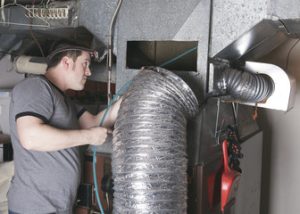
Professional air duct cleaning is more than a superficial dusting. It involves a detailed, systematic approach to remove contaminants and restore optimal airflow. Key steps include:

  1. Inspection and Assessment
    Technicians evaluate ductwork, HVAC components, and air quality to determine the extent of cleaning required.
  2. Vacuuming and Debris Removal
    High-powered vacuums remove dust, dirt, and debris from ducts, ensuring that particles are not simply dispersed into occupied spaces.
  3. Brush Agitation
    Rotating brushes dislodge stubborn dust and debris from duct walls, allowing for thorough extraction.
  4. Sanitization (Optional)
    In cases of mold or bacterial presence, sanitizing solutions are applied to eliminate microbial contaminants and prevent recurrence.
  5. Airflow Testing
    After cleaning, airflow is measured to ensure the system operates efficiently, and energy consumption is optimized.

By combining mechanical cleaning with thorough inspection and sanitization, professional services ensure both energy efficiency and improved indoor air quality.

Benefits of Regular Air Duct Maintenance

Regular air duct cleaning and maintenance provide long-term benefits that extend beyond immediate energy savings. These benefits include:

  1. Lower Energy Bills
    Clean ducts reduce system strain, allowing HVAC equipment to operate efficiently and consume less energy.
  2. Extended HVAC Lifespan
    By preventing excessive wear on motors, fans, and compressors, professional cleaning prolongs system life and reduces maintenance costs.
  3. Improved Comfort
    Balanced airflow ensures consistent heating and cooling throughout the property, eliminating hot and cold spots.
  4. Enhanced Air Quality
    Removing dust, allergens, and microbial contaminants improves indoor air quality, supporting occupant health and comfort.
  5. Reduced Repair Costs
    Preventing debris buildup and system strain reduces the likelihood of breakdowns, saving money on unexpected repairs.

For both residential and commercial properties, investing in regular air duct cleaning is a cost-effective strategy that protects energy efficiency, occupant health, and overall system performance.

Eco-Friendly and Sustainable Considerations

Many modern cleaning services now offer environmentally friendly approaches, using biodegradable products and energy-efficient equipment. Sustainable duct cleaning practices benefit both property owners and the environment by:

  • Minimizing chemical exposure to occupants
  • Reducing water and energy usage during cleaning
  • Promoting long-term sustainability of HVAC systems

Choosing a professional service that prioritizes eco-friendly methods ensures that energy efficiency gains from clean ducts are reinforced without causing environmental harm.

DIY vs. Professional Cleaning

While some homeowners attempt to clean air ducts themselves, DIY methods rarely achieve the same results as professional services. Home tools are often insufficient to reach deep into ductwork, and improper cleaning can even worsen airflow or distribute debris throughout the property.

Professional technicians have:

  • Specialized vacuums and brushes designed for duct cleaning
  • Access to areas and components that are difficult for homeowners to reach
  • Knowledge of HVAC systems to prevent damage and optimize performance

Relying on professional services ensures comprehensive cleaning, energy savings, and long-term system efficiency.

Clean Air Ducts as an Energy-Saving Investment

Dirty air ducts are more than a minor nuisance—they are a hidden source of energy waste and reduced HVAC efficiency. Dust, debris, allergens, and microbial growth force HVAC systems to work harder, driving up energy bills and accelerating system wear. By investing in professional air duct cleaning, property owners can restore optimal airflow, lower energy costs, and extend the life of their HVAC equipment.

Regular cleaning also improves indoor air quality, protects occupant health, and enhances comfort, making it a practical and valuable investment for both residential and commercial properties. A clean air duct system is not only an essential maintenance task but also a strategic measure to increase energy efficiency, reduce operational costs, and create a healthier, more productive indoor environment.

Professional air duct cleaning is a long-term solution that pays for itself through lower energy bills, improved system performance, and healthier living or working conditions. By addressing contamination proactively, property owners ensure that their HVAC systems operate at peak efficiency while providing clean, breathable air for all occupants.

A Step-By-Step Guide to Safe Mold Removal

Mold Removal Colorado Springs

Mold can generally be removed from nonporous materials by wiping or scrubbing with water and detergent. If porous items, such as drywall and carpet, are affected, they may need to be replaced.

Air filtration systems help to improve ventilation and reduce indoor humidity levels, thereby inhibiting the growth of mold spores. Prevention strategies include repairing plumbing leaks and water damage immediately, and cleaning and sanitizing frequently. Contact Mold Removal Colorado Springs for more information.

Protect Yourself

Mold spores are airborne, and they can travel throughout your home in air currents. They also can stick to clothing, shoes, pets and other surfaces. These spores can irritate your nose, eyes and throat, and they can worsen respiratory illnesses like allergies and asthma. Certain species of mold also create and release microscopic toxins that are even more harmful than the spores themselves.

Hidden mold can be difficult to detect, especially if it’s growing behind walls or under wallpaper. However, you can suspect that it’s present if a building smells musty, or if you know there has been water damage and residents have reported health problems.

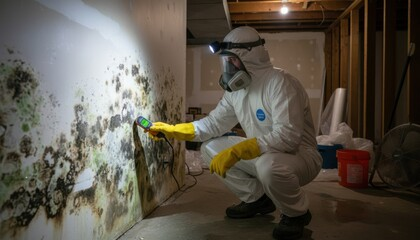
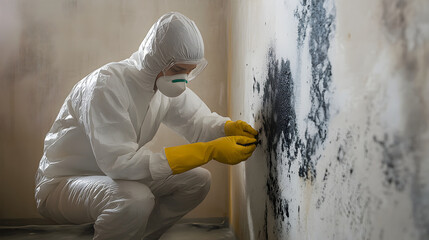
When you have to be in a moldy area for an extended period of time, wear personal protective equipment (PPE), including a respirator mask with vent holes. Also, consider wearing goggles that offer complete eye protection to protect yourself from dust and small particles during cleaning.

Using distilled white vinegar, a common household item that can be found in most medicine cabinets, is an effective non-toxic method of getting rid of black mold. Pour a few ounces of white vinegar into a spray bottle and use it to clean and kill the fungus on porous or non-porous surfaces. After the surface is cleaned, rinse it with water and let it dry. The vinegar’s potent aroma will disappear once the fungus is dead.

Other safe non-toxic methods of killing and cleaning up mold include the use of borate-based cleaners and detergents that have “borate” listed on the ingredients label. These cleaners, typically used for masonry and grout cleaning, are often sold in hardware stores and come in powder, liquid and gel forms. Follow manufacturer’s instructions when applying them.

In areas that cannot be kept completely dry, diluted chlorine bleach can be used to control mold growth. Always ventilate the area during and after application, and exhaust the air outside. Never mix bleach with other cleaning solutions, as they can produce toxic gas. If you’re planning to use biocides, it’s essential that a professional licensed in pesticide application apply them.

Seal Off Contaminated Areas

If you’re dealing with a large mold problem, it is important to isolate the area as much as possible during the cleaning process. This will reduce the number of spores that can reach other areas of the home or business and prevent them from becoming contaminated with mycotoxins. Use plastic sheeting to block off areas you’re working in from the rest of the building. Cover any vents and doors, and try to create negative pressure in the affected room by blowing air out of a window.

It is still difficult to determine exactly how mycotoxins and spores affect the human body. Some people are more sensitive to them than others, and individual reactions vary widely. Research has shown that certain factors like genetics, preexisting conditions, length of exposure, species of mold, presence of mycotoxins and toxins, and immune system function play a role in the severity of symptoms experienced.

In general, nonporous surfaces, such as glass and hard plastics, can be wiped or scrubbed with water and detergent and then dried to discourage further growth. Porous materials, such as drywall and carpets, may have to be discarded if they are heavily contaminated, as mycotoxins and spores can penetrate deeply into these types of fabrics.

Valuable or sentimental items, such as artwork and antique furniture, need special care. Seek advice from art restoration professionals if necessary, as they may be able to clean and restore some items that have been damaged by mold.

Once the remediation has been completed, it is crucial to inspect the area. Visible mold and odors should no longer be present, and moisture levels should have returned to normal. If you find that a particular area is still contaminated, the moldy surface should be treated again until mycotoxins and spores are no longer detectable.

Although it is not necessary to remove occupants from the area during a mold cleanup, it is recommended that infants, people who have undergone recent surgery, or those with chronic inflammatory lung diseases stay out of the work area until the area has been cleaned and declared safe. This is because the chemicals used in the remediation process and the mycotoxins and spores produced by mold are toxic to some people.

Remove Contaminated Materials

The most important step in mold remediation is identifying and correcting the source of moisture. After all, mold spores can’t grow unless they have the water and nutrients that they need to survive. Molds will often grow in areas where condensation, leaks and lack of air circulation provide the needed moisture. This can include windows with condensation, bathrooms, and basements. Once mold spores gain access to the moisture they can grow and spread quickly.

If the contaminated area is not being used, it should be sealed with plastic coverings and kept as dry as possible. If the affected area is being occupied, the people should be removed to another area while cleanup takes place. Depending on the extent of contamination and the health effects associated with the mold, it may be necessary to remove anyone who is very sensitive or has a compromised immune system. This would include infants, persons who have had recent surgery and immuno-suppressed individuals.

In many cases, nonporous materials can be cleaned by wiping or scrubbing with a cleaning product and then being rinsed clean and dried. The instructions on cleaning products should always be followed. If porous materials are contaminated, they may need to be thrown away, as it is difficult or impossible to clean them thoroughly.

It is also a good idea to invest in a hygrometer and monitor indoor humidity levels. This will help to keep the humidity below 50 percent, as it is the ideal level for preventing mold growth. If a large amount of mold is present, it is imperative to act quickly and to address the cause of the problem, as mold damage can be much more extensive than visible areas.

If you are unsure whether an item can be saved, or it has a high sentimental value, consider hiring a specialist in areas such as fire and water damage restoration, rug and carpet cleaning, or furniture repair. These specialists will know how to identify and safely treat items for mold removal, thereby ensuring their safety. They can also advise on a course of action for items with significant structural damage, such as wood-framed buildings where mold may have penetrated the structure.

Dry the Area

Molds thrive in humid conditions. To keep them at bay, you must reduce indoor humidity levels and dry any affected areas after cleaning. This is a critical step in the remediation process and ensures that any remaining spores are not dispersed throughout the house.

The best way to do this is by using dehumidifiers and fans. These appliances help control relative humidity, allowing surfaces to dry within 48 hours. They should also be used in conjunction with other moisture control measures, such as air conditioning and portable electric heaters. In addition, it is important to remove porous materials from the affected area, such as carpet or ceiling tiles. Seal them in plastic bags before disposing of them.

If you must use a commercial product to clean mold, follow the manufacturer’s instructions and always wear protective gear. Elbow-length rubber gloves, a mask, and safety glasses will prevent spores from entering your respiratory system. If possible, open a window in the area you’re working to improve ventilation.

White distilled vinegar is a mildly acidic agent that cleans, deodorizes, and disinfects. It is effective on most surfaces and can kill 82 percent of mold species on non-porous surfaces. Pour the solution into a spray bottle and apply to the affected area, then scrub and rinse.

A 3% hydrogen peroxide solution is another non-toxic option. Like vinegar, it disinfects and can kill spores on non-porous surfaces. Pour a small amount of the solution into a spray bottle and apply it to the affected area, then scrub and rinse.

Finally, baking soda is a natural fungicide that can be mixed with water in a spray bottle and applied to the surface of the mold. This solution will not only kill mold but will also deodorize and clean the area.

If you have any questions or concerns about the safe removal of mold, call a professional. They will be able to assess the problem and provide you with recommendations and solutions for your specific situation. Remember, mold is a symptom of a larger moisture issue and it will return if the underlying problem is not addressed.

Navigation